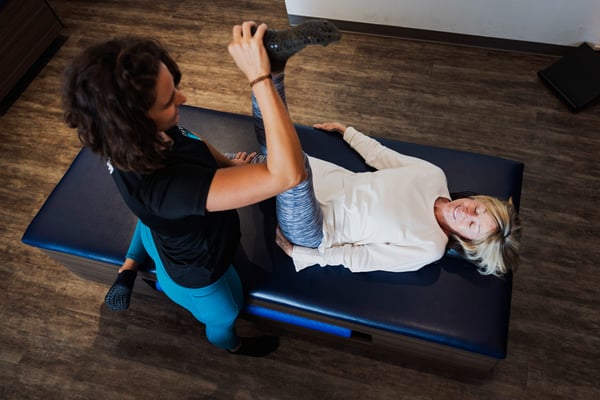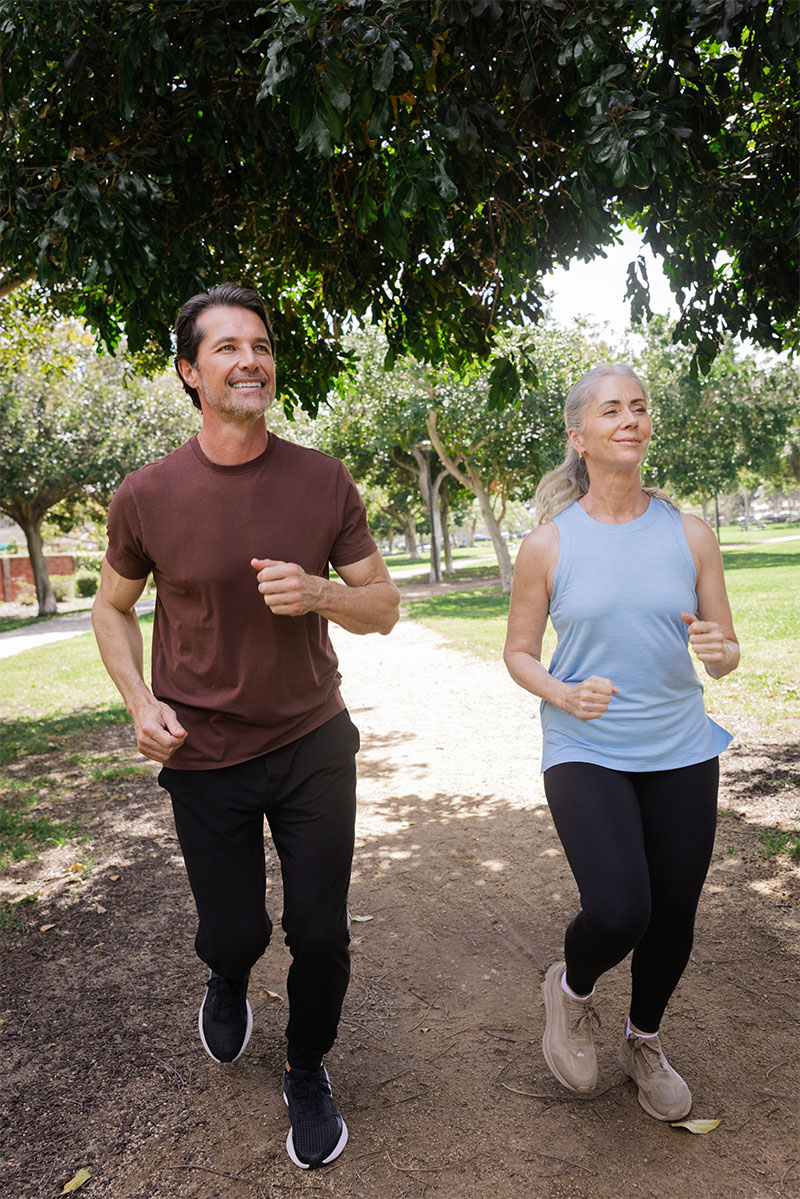
Running places consistent, repetitive stress on the same muscle groups and joints which can lead to tightness, imbalances, and eventually injury if left unaddressed. Assisted stretching offers runners a hands-on way to support recovery and improve mobility by guiding muscles through a fuller range of motion than most solo stretching routines allow. By targeting the specific muscles most affected by running, a trained Flexologist can help loosen tightness and ease stiffness.
Common Running Injuries
Runners frequently experience a handful of recurring issues:
- Runner's knee: Often linked to tightness in the hips and IT band.
- Plantar fasciitis: A condition aggravated by tightness in the calves and feet.
- Tight calves: A frequent muscle complaint among runners of all levels.
- Hamstring strains: A strain requiring careful management along the back of the thigh.
Assisted Stretching vs. Strength Training
Runners often incorporate strength training into their regular routines to build muscular support, absorb impact, and maintain proper form over long distances. Adding assisted stretching to your routine is equally essential because it targets muscle length, improves joint range of motion, and releases deep tension caused by repetitive movement. Both practices offer unique benefits: strength training provides structural stability while stretching delivers the flexibility and mobility needed to move efficiently and comfortably.
Why Assisted Stretching Matters for Runners
Every session at StretchLab is led by a trained Flexologist who has completed our proprietary Flexologist Training Program. This rigorous and nationally accredited training covers essential anatomy, stretching principles, and the standard for delivering the StretchLab experience. This preparation allows our Flexologists to work confidently with runners of all levels, from casual joggers to competitive athletes.
Essential Assisted Stretches for Runners
Working directly with a trained Flexologist ensures these targeted stretches address the muscle groups most affected by running:
- Assisted hamstring stretch: A Flexologist gently guides the leg through a controlled, extended range of motion using PNF (proprioceptive neuromuscular facilitation) techniques. For runners, this is essential for improving stride length and reducing the lower back strain often caused by tight posterior chains, promoting faster recovery after high-intensity training.
- Assisted calf and Achilles stretch: By targeting the gastrocnemius and soleus muscles, the Flexologist improves ankle dorsiflexion and mobility. This is vital for runners to maintain a more efficient, powerful toe-off and serves as a proactive measure against common overuse injuries like plantar fasciitis and calf strains.
- Assisted hip flexor and IT band stretch: This stretch focuses on opening the front of the hip and releasing tension along the lateral thigh. For runners, this helps correct pelvic alignment, which is critical for preventing runner's knee and reducing the compensations that often arise from restricted lateral mobility during repetitive running cycles.
25-Minute Stretch Session
Curious about assisted stretching? This is an ideal place to start. This full-body, structured assisted stretch is designed to help reduce tension, improve mobility, and support how your body feels day to day.
50-Minute Stretch Session
Looking for a deeper stretch? This full-body, structured assisted stretch allows for more time spent on each body area, with longer holds throughout the session.
Book a session at your local StretchLab studio to give your running routine the recovery support it deserves.
.jpg?width=600&name=StretchLab_%20(188).jpg)