
Mobility matters for veterans after serving because it supports physical independence, mental well-being, and long-term quality of life. Years of heavy gear, repetitive training, and high-impact activity can leave muscles tight and joints stiff, and regular stretching, strength work, and guided recovery can help veterans keep moving comfortably at every stage of life.
What Is Mobility?
Mobility is your ability to move your joints and muscles freely through a full range of motion. It is related to flexibility, which describes how far a muscle can lengthen, but mobility also reflects how well your joints, muscles, and strength work together. Good mobility is what lets you reach overhead, climb stairs, get up from the floor, or turn your head to check a blind spot.
Military service places steady demands on the body. Carrying heavy gear, rucking, running, lifting, vehicle vibration, repetitive movements, and long hours standing or sitting can lead to tight hips, a stiff lower back, and sore shoulders that stay long after the uniform comes off. Paying attention to mobility after service helps you stay active and independent.
Why Does Mobility Matter For Veterans After Serving?
Mobility affects far more than a workout. For veterans, staying mobile can support:
- Independence. Moving freely around the home and community makes it easier to cook, run errands, and get to appointments without relying on others.
- Mental health and connection. Regular movement and the ability to get out of the house may help reduce isolation and support mood.
- Long-term health. Regular physical activity can help manage or prevent conditions such as high blood pressure, type 2 diabetes, and heart disease.
- Protection against physical decline. Regular movement helps limit stiffness, muscle loss, and secondary injuries linked to service-connected or age-related deconditioning.
Limited mobility can make everyday tasks harder, which can lead people to move less, and moving less can reduce mobility further. Breaking that cycle with regular movement is one of the most useful things you can do for your long-term quality of life.
Why Mobility Matters for Veterans at Every Stage of Life
In the first years after service. Many veterans leave the military with service-connected injuries, joint strain, or muscle tightness from years of physical demands. The shift from daily training to a desk job or long commute can add stiffness on top of that. Preserving mobility early, through regular stretching and adaptive fitness, can help keep minor issues from turning into chronic discomfort and can ease the frustration that comes with a sudden change in physical ability.
In midlife and working years. Mobility affects daily productivity, workplace confidence, and the ability to stay engaged with family and community. Tight hips, a stiff back, or sore shoulders can limit workouts, sleep, and weekend activities. This is a good time to pair strength training with stretching, since strong muscles and a full range of motion work best together.
In later years. Natural declines in strength, balance, and joint flexibility can raise the risk of falls and make it harder to manage conditions like arthritis. Staying mobile supports independence and an active social life, and may support mental well-being as well. Public health guidance from the Centers for Disease Control and Prevention (CDC) encourages older adults to include balance and muscle-strengthening activity in their week, and the American College of Sports Medicine (ACSM) recommends flexibility exercises on at least two to three days per week for adults. Consistency matters more than doing a lot at once.
Can Assisted Stretching Help Older Veterans Stay Independent?
Assisted stretching may help older veterans, including adults over 60, stay active and maintain independence by supporting flexibility, range of motion, and comfortable everyday movement. It works best alongside regular walking, strength work, and balance practice, not as a replacement for them.
Here is how it can fit into daily life:
- Everyday movement and injury risk. Flexible muscles and joints that move through a fuller range of motion make ordinary tasks, such as reaching, bending, and stepping, easier on the body. When tight muscles limit your range, other muscles and joints often compensate, which can raise strain during everyday activities. Improving flexibility helps reduce that strain, though it is one factor among many, including strength and balance.
- Hip mobility and balance. Tight hips can shorten your stride and make your steps less steady. A Flexologist can work on the hips, hamstrings, and lower back in a supported position, which can feel safer than stretching alone, especially if balance is a concern.
- Joint comfort and arthritis. Gentle, controlled stretching may help ease muscle tension around stiff hips and knees and support comfortable movement for people with mild arthritis. It does not treat arthritis, and it should never be forced through pain.
- Safety first. Tell your Flexologist about any arthritis, joint replacements, balance concerns, or past injuries before your session so the stretches can be adjusted, and talk with your healthcare provider if you have a medical condition.
Many members, including veterans, find the biggest benefit comes from consistency: regular sessions plus a few minutes of daily stretching at home.
What Can Veterans Do To Protect Mobility?
- Stretch a little every day. Ten minutes beats an occasional long session. Focus on hips, hamstrings, lower back, shoulders, and neck.
- Build strength. Squats to a chair, wall push-ups, and resistance band rows support your joints and help you stay steady.
- Keep moving. Walking, swimming, and cycling keep joints active and muscles engaged.
- Prioritize recovery. Sleep, hydration, and rest days help your body adapt to activity.
- Get guided help. A trained professional can spot tight areas you may miss and help you stretch safely.
Want a step-by-step version of these habits? Read 5 Ways Veterans Can Prioritize Mobility and Recovery.
A Veteran's Story: Charles, Stretchlab Lead Flexologist
|
"Your body is one of your most valuable tools, and tools need to be maintained so that they can perform their job as effectively as possible for as long as possible. Our bodies are capable of so much more than we often realize, but it requires a combination of exercising and recovery. Stretchlab is an extraordinary service that guides people who are trying to make the most out of their life by not only regaining flexibility, but reducing pain and discomfort of the body before it tarnishes any of the great moments life has to offer!"
|
How Can Assisted Stretching Help Veterans?
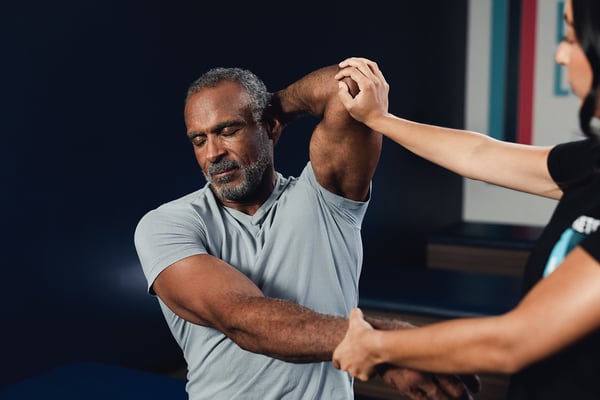
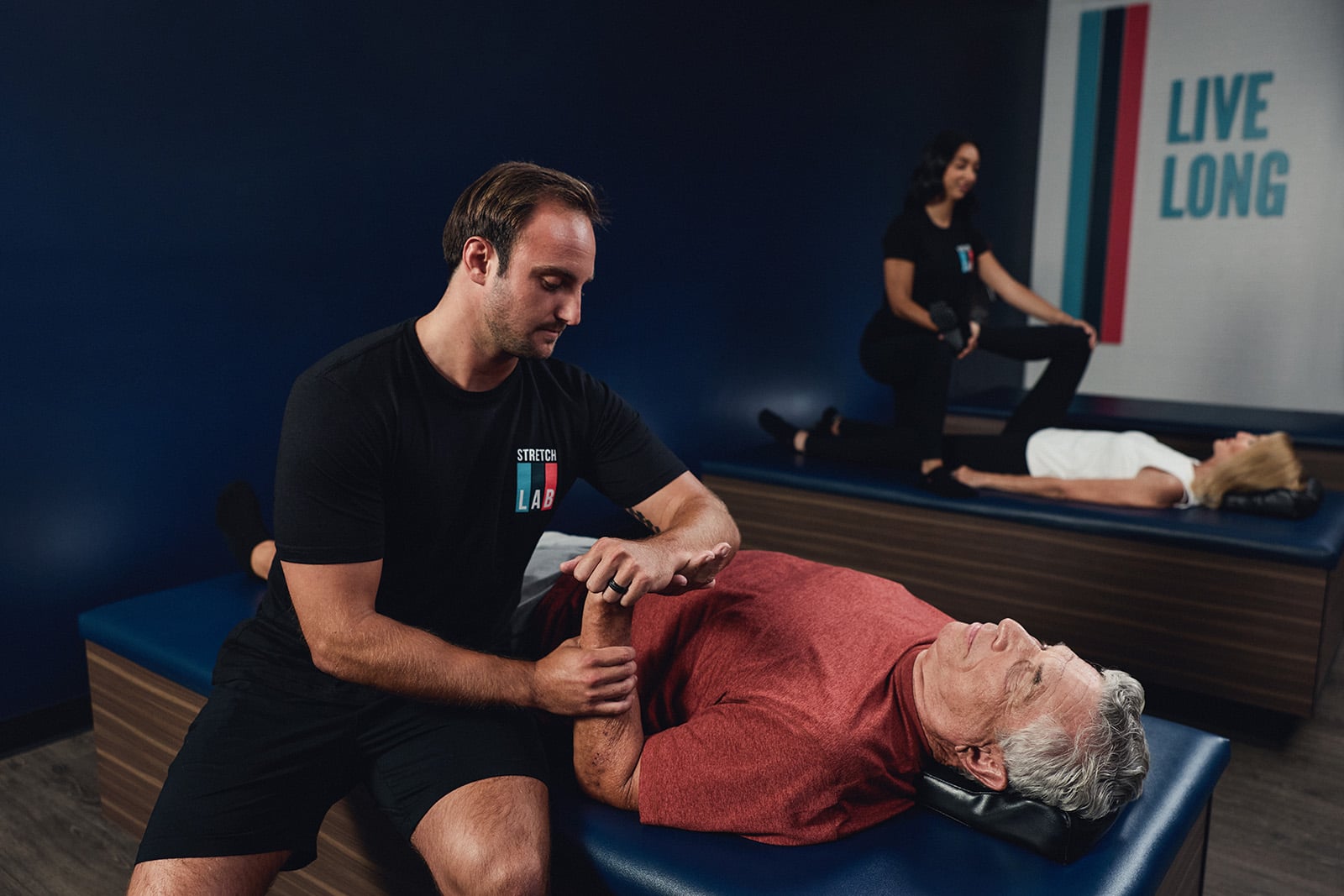
Assisted stretching is a one-on-one session in which a trained Flexologist guides your body through stretches personalized to you. Because someone else helps move your body, you can often relax into positions that are hard to reach on your own. Personalized assisted stretching may help:
- Reduce muscle tension
- Improve flexibility
- Support mobility for everyday movement
- Give you dedicated, guided time to focus on recovery
Each StretchLab session is built around your goals, your history, and how your body feels that day, so you set the pace. Talk with your healthcare provider, including your Department of Veterans Affairs (VA) care team, before starting a new routine if you have an injury or a medical condition.
Where Can Veterans Try Assisted Stretching?
StretchLab offers one-on-one assisted stretching at studios across the country. To get started, find a StretchLab studio near you at stretchlab.com, check availability for a session, and tell your Flexologist about your goals and any areas of tightness from your time in service.
This article is for general information and is not medical advice. Talk with a qualified healthcare provider before starting a new stretching or exercise program.